

Key Takeaways
- Match the hat to the weather, activity level, and expected time outdoors.
- Balance warmth with breathability, softness, stretch, and moisture management.
- Confirm that headwear will not affect the fit or function of required safety gear.
- Keep colors, sizing, and decoration simple when ordering for a larger group.
- Order a small reserve of extras for replacements, new participants, and changing weather.
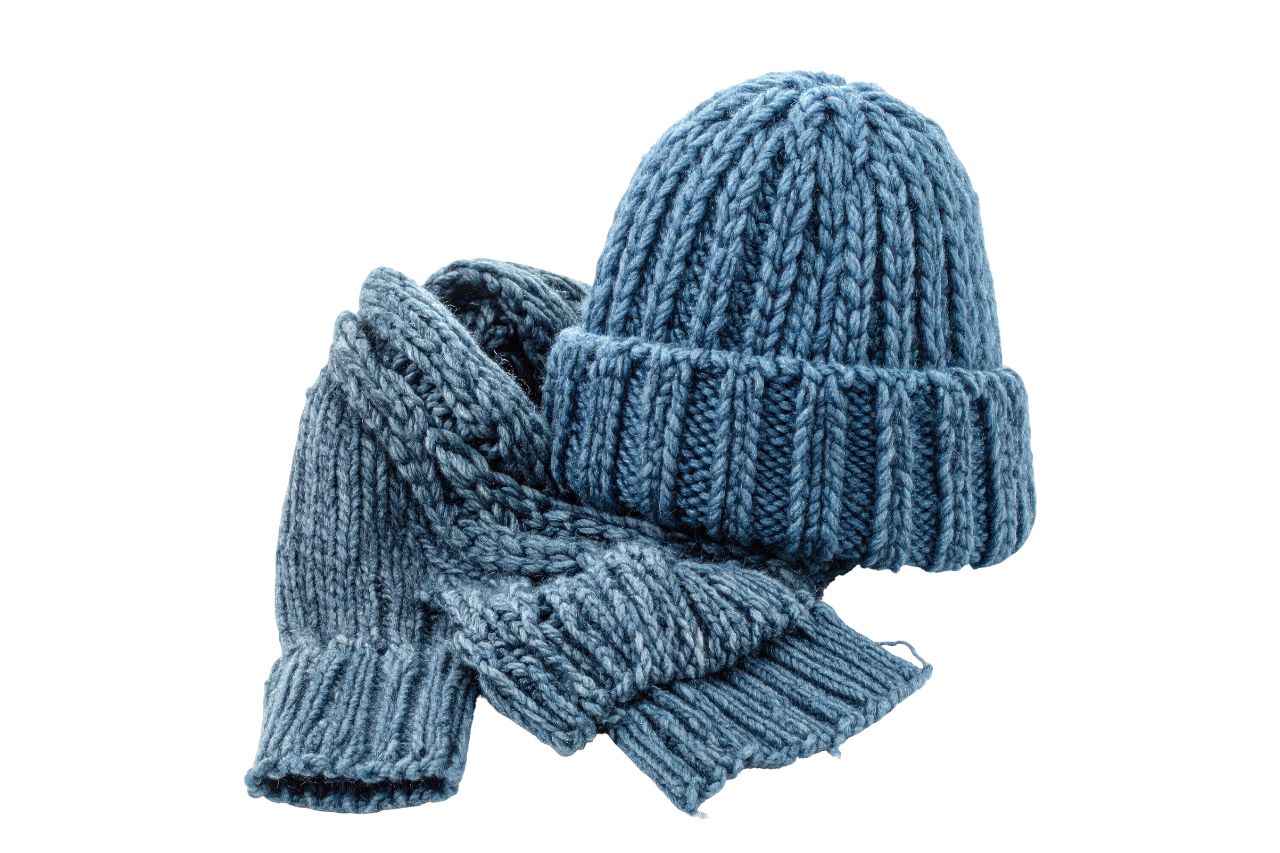
Winter headwear can make a meaningful difference in comfort, morale, and day-to-day usability for teams working or gathering outdoors. Whether the goal is to outfit a maintenance crew, organize a charity event, support a school team, or stock branded merchandise, custom knit beanies can provide a flexible starting point when chosen around real weather conditions and wearer needs.
The best option is rarely the same for every group. A hat that works well for a short winter festival may be too bulky for a worker who wears a helmet, while a lightweight style for active warmups may not offer enough coverage for a long shift in wet wind.
Why Winter Headwear Deserves More Thought
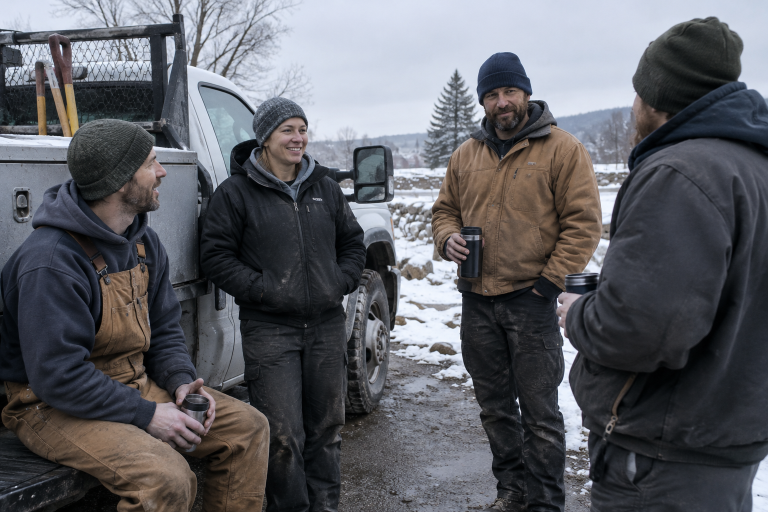
Cold weather is not defined by temperature alone. Wind, rain, snow, physical exertion, and the amount of time spent outside all affect how comfortable a person feels. Headwear should be considered part of a full cold-weather plan that may also include layered clothing, gloves, footwear, and weather-resistant outerwear. For outdoor crews, knowledge of hypothermia and other cold-related conditions can help supervisors account for exposure risks and prepare workers for changing conditions.
Start With the Intended Use
Before comparing colors or logos, define where the hats will actually be worn. Outdoor work calls for dependable warmth, manageable moisture, and a profile that works with job-required equipment. Sports teams may value secure fits, team colors, and easy-care fabrics for travel and warmups. Schools and community groups often benefit from broadly wearable styles that are easy to distribute.
For festivals and fundraisers, comfort and visibility usually matter more than technical performance. Retail collections and club merchandise may require more attention to texture, color range, and repeat wear, since the hat should feel useful long after the first event.
Compare Common Winter Headwear Styles
Cuffed Knit Caps
Cuffed knit caps are a practical choice for many groups because the folded cuff creates a defined front area for a logo, patch, or short message. Wearers can also adjust the cuff height slightly to change the fit and coverage.
Slouch Beanies
Slouch beanies have a relaxed profile that can suit casual clubs, retail merchandise, and lifestyle-focused events. They may be less suitable where a close, stable fit is important, particularly around hoods or work gear.
Pom-Pom Hats
Pom-pom hats bring extra visual energy to school spirit events, fan gear, and winter celebrations. A pom-pom can make a simple two-color design feel more recognizable without requiring complicated decoration.
Earflap Hats and Winter Liners
Styles with ear coverage can be useful in exposed, windy conditions. However, liners and thicker hats should be evaluated carefully when helmets, hard hats, or other protective equipment are required.
Pick Materials Based on Conditions
- Acrylic: Often selected for its color options, easy care, and accessible price point.
- Wool: Commonly valued for warmth and its ability to manage moisture, although some wearers prefer a softer blend against the skin.
- Fleece: Lightweight and soft, making it useful for active outdoor settings and layered systems.
- Blends: Can combine stretch, durability, warmth, and a smoother hand feel.
- Weather-resistant options: May be helpful when wind or damp conditions are regular concerns.
Think About Fit, Comfort, and Safety Gear
A good winter hat should stay in place without creating pressure around the forehead or ears. Look for stretch that recovers after repeated wear, smooth interior seams, and a thickness that suits the wearer’s other outerwear. For mixed groups, a flexible knit fit may reduce ordering complexity, but offering multiple fits can improve comfort for long-term staff or retail customers.
Most importantly, warmth should never compromise protective equipment. A thick knit cap or liner can change how a helmet fits, so users should follow the manufacturer’s instructions and workplace policies. The CDC’s recommendations for cold work also emphasize protecting exposed areas and planning for cold environments, particularly for people who work outdoors.
Plan Colors, Quantities, and Decoration
- Identify the core colors that match uniforms, branding, or event signage.
- Separate essential colors from optional seasonal or fashion-focused choices.
- Estimate quantities by department, roster, volunteer group, or expected attendance.
- Keep extra pieces for lost hats, late additions, replacements, and wet-weather backups.
- Confirm that the selected style is available in every required color before finalizing artwork.
Embroidery usually works best on a cuffed style with a clear front panel. Keep wording short and artwork bold, since small knit surfaces do not suit highly detailed designs. Woven, embroidered, or leather-style patches can add texture, but they should be sized to fit the available surface. Always review a sample while it is being worn, not only when it lies flat.
Common Mistakes to Avoid
- Choosing solely by price without considering fabric, fit, and intended use.
- Assuming one fit will be comfortable for every participant.
- Using bulky headwear with safety equipment without checking compatibility.
- Selecting artwork that is too detailed for the decoration area.
- Ignoring wind, moisture, sweat, and frequent washing.
- Skipping a sample before placing a larger order.
Simple Scenarios for 2026
A weekend charity walk may call for soft, easy-care hats in one or two visible colors. An outdoor maintenance crew may need a lower-profile style that provides warmth without compromising required protection. A school event can benefit from recognizable colors and flexible sizing, while a local sports club may prioritize durable hats that pair easily with existing jackets and uniforms. For retail, offering several fits or textures can serve more preferences than relying on a single style.
Frequently Asked Questions
What Is the Best Winter Hat for a Large Group?
A comfortable, easy-care knit cap with flexible stretch is often a sensible starting point. Confirm colors, decoration space, and expected outdoor conditions before committing to one style.
Which Winter Hat Works Best for Embroidery?
Cuffed knit caps often offer the clearest area for decoration. Compact logos and short wording are usually easier to read and less likely to affect the hat’s stretch.
Can a Knit Hat Be Worn Under a Hard Hat?
Only use headwear that is approved or confirmed as compatible with the required protective equipment. The helmet must continue to fit and function as intended.
How Many Extra Hats Should Be Ordered?
Set aside a small reserve based on group size, turnover, weather exposure, and the likelihood of needing replacements during the season.
Conclusion
The right winter headwear depends on use, weather, fit, safety requirements, decoration needs, and the people who will wear it. A practical review of those factors before ordering can help a team, event organizer, or outdoor crew avoid uncomfortable fits, weak branding, and unnecessary replacement costs throughout the cold-weather season.